P3: Mini Platform
On Jan. 3, 2000, the graphic designer David Reinfurt formed the New York State corporation ORG Inc. (EIN 13-4094918). One year later, the board, stockholders, president and employees totaled one, with no plans for future growth. Nonetheless, ORG is often mistaken for a much larger, and perhaps more credible, company. This is good for business.
– How to Make a One-Person Firm Seem Like a Giant Corporation, By David Reinfurt
We are all outside on teh balcony now. Standing on a platform made out of a tweet into corporate versions of public space. We are not stored in a cloud, opaque or translucent to whomever. We publish, we get read. ok. Private publishing does not exist, we now know we always get read (hi).To select what we want to have read, and by whom, is our greatest challenge rly.
– Balconism, Constant Dullaart
Throughout the semester we've been discussing the benefits and limitations of various platforms and publishing methods. In this final, group, project we'll create our own "mini-platform" to share our projects on our own terms and to our own audience(s). In the project I'd like us to consider what a publisher/platform is today – what qualities and traits are important/needed to validate and share information? Is this a logo and editorial infrastructure? The capability to "post" information online? A safety and moderation team to make sure "content" doesn't cause harm or violate the law? In addition, I'd also like us to consider our own motivationsand critical point of view on the topic.

Dexter Sinister
This can take shape in whatever form we choose, but should have the following outcomes:
- Brand/identity: think of this as a publishers imprint – it can be an app icon for a highly digital publisher/platform, or a "colophon" for a more traditional publishing house
- Digital (how you share your works online): this can be an online storefront via a platform such as Shopify/Instagram/etc.; a digital newsletter; a mini-social network you code using Open Source or your own proprietary code; or another way to share you work online
- Physical (way you share your work in-person): this can be a catalog, physical storefront; series of postcards; or another way to share your work in-person. However, it also should include a unique physical display apparatus (like a piece of furniture)!
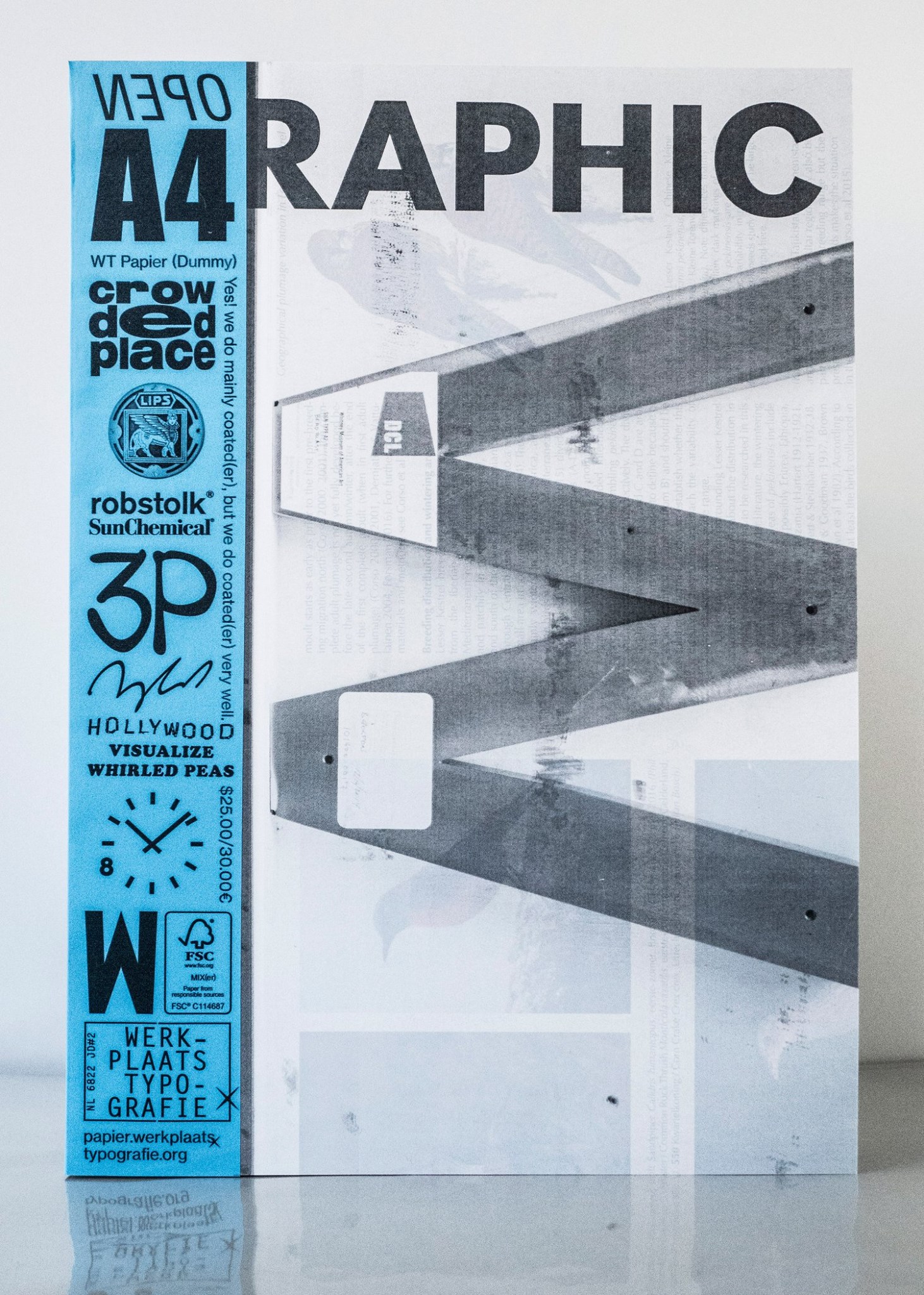
WT Papier, by Werkplaats Typografie
Let's also discuss how we want to share our projects. Via an exhibition in Building 49, at an Art Book Fair, purely in a digital context, etc.
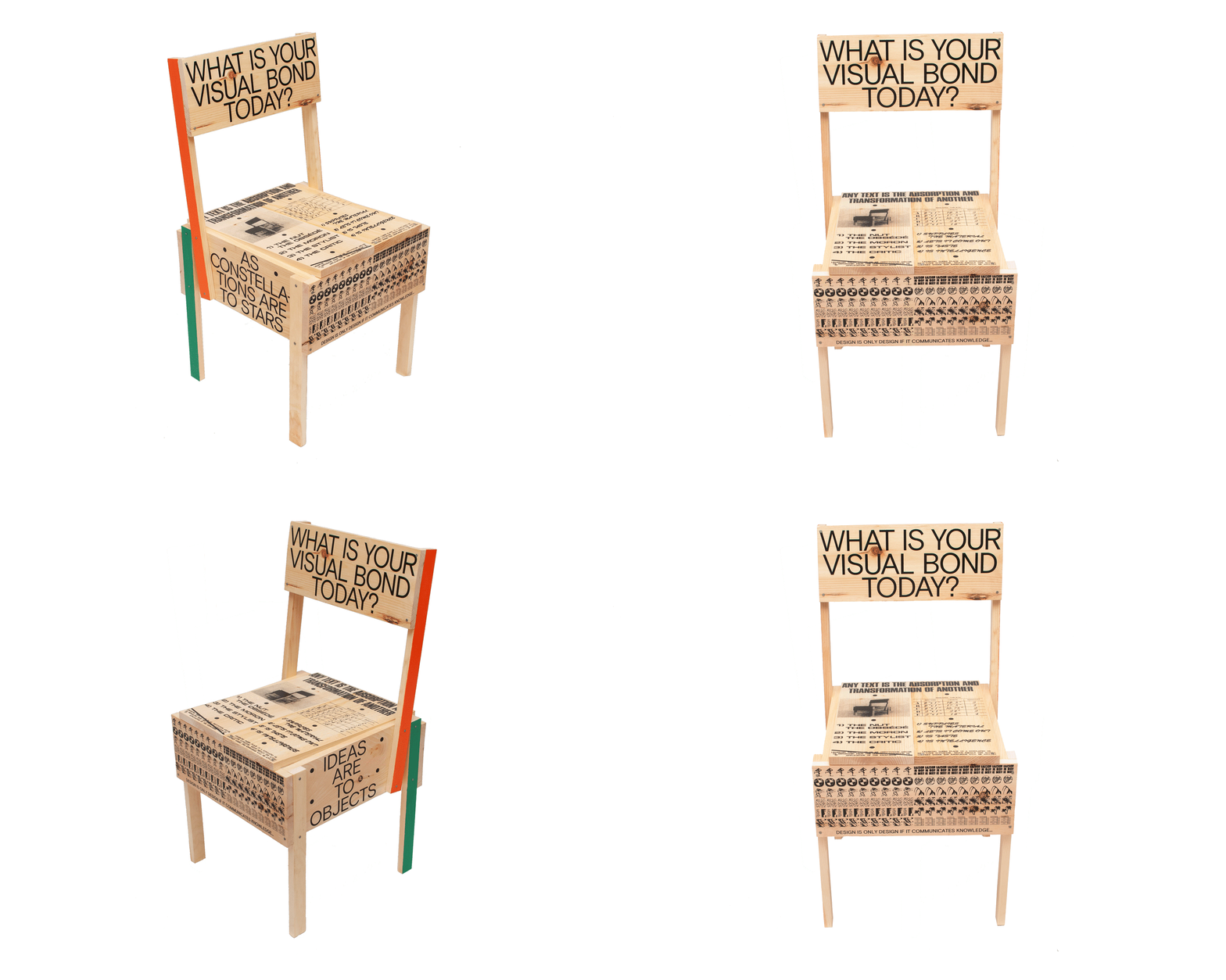
Sedia 1 Autoprogettazione, by Boot Boyz Biz
In this project we'll question topics like scale, accessibility, efficiency, and the assumptions around publishing models and platforms. Most of all, I hope we can share our vision of a more purposeful publishing platform!

Awqāt, by Caml Corp
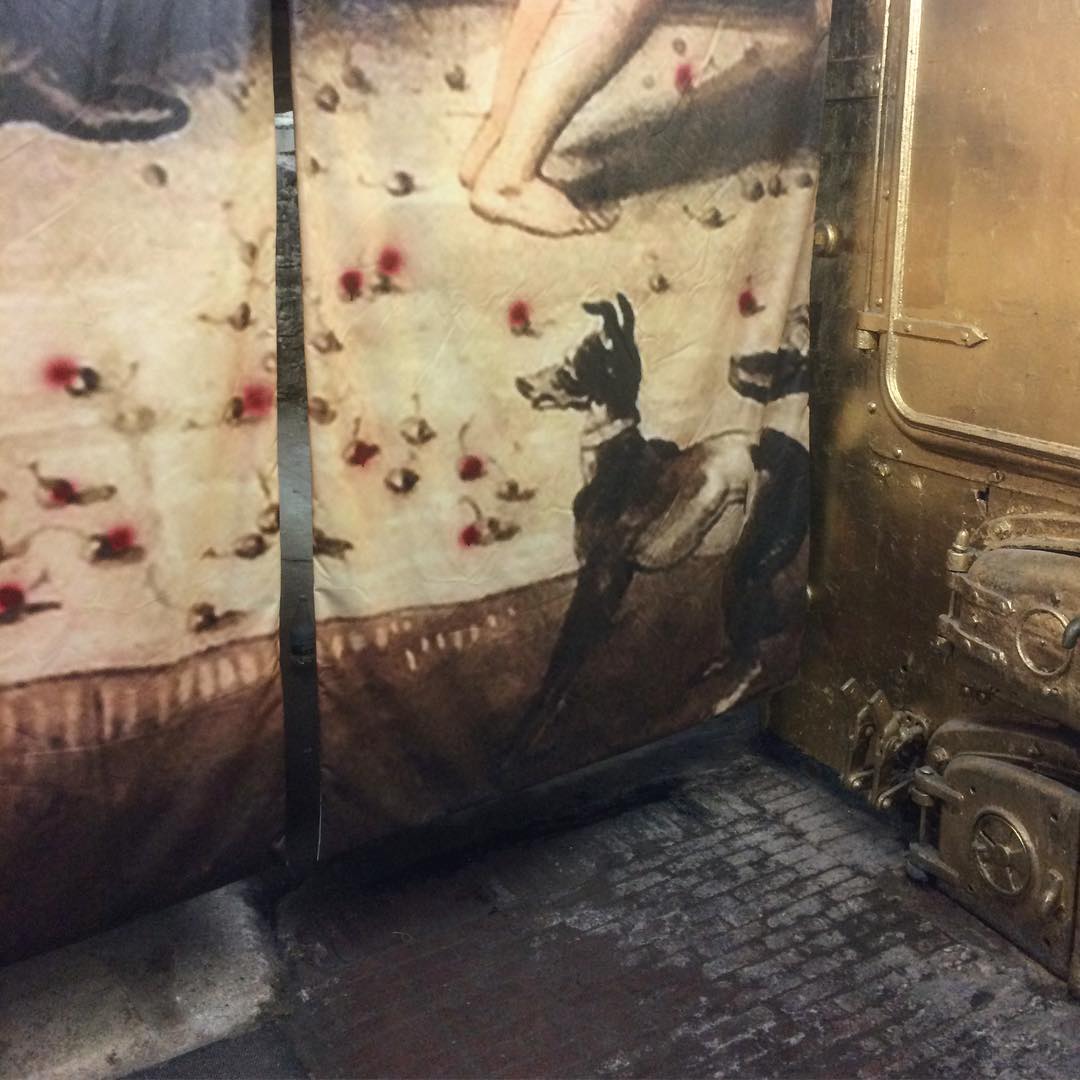
Fruits of Fraud, Werkplaats Typografie
Due Dec 15 (5 weeks)
Topics: Branding, Physical Product/Furniture Design, Information Systems
Learning Outcomes
- Observe the circulation of information in today's communications landscape
- Develop intentionality about how we publish
- Explore alternative publishing methods and artifacts
Requirements
- A mini-platform to share our work
- Including a brand, online, and offline presence
Project Kickoff: Nov 14
On the provided index cards, write down:
- five things that are personally important to you
- five things professionally important to you
Split into groups of 3. In each group one person will move counter-clockwise around the room, one person will move clockwise, and one person will stay seated.
Draw a random index card from your collection. Brainstorm and create a drawing that explains a product / publisher / platform based on your interests – this should include a way to share your work.
For instance, if you pull the following three things from your cards: "friends; screenprinting; and mobility", you may brainstorm a mobile screenprinting studio that does workshops for groups of friends.
After spending 5 minutes brainstorming and sketching, we will shift positions to work with a new group and create new publishing ideas.
Step 1: Due Nov 21
Form Groups
Based on your interests create your groups for: brand/identity; digital footprint; and physical footprint. Create a Kakaotalk group, and have a group meeting outside of classtime where you discuss:
- Your motivation for joining the group
- What you hope to accomplish by making a mini-platform (and specifically this part of it)
- This can be very practical or conceptual (ex. I want to get better at drawing logos; or I want to imagine a more nurturing online space, etc.)
- Division of labor, schedule for meetings and how you will work together
- and anything else you want to discuss
Share in class some reflections from your meeting. We'll make decisions about how we can work together and an overall direction for our platform in-class.
Step 2: Due Nov 28
Group Proposals
Share proposals from each group. These should be rough drafts of your contribution, with a clear concept and tangible outcome visible (if you are proposing a logo for instance, it should be drawn in a design software and not only be a rough sketch). The full list of outcomes will vary, but should include:
- Brand/Identity: logo
- Digital: wireframes and site architecture of the web footprint (if this uses an existing platform such as Instagram it's ok! Just make sure it's visualized and clear to us how it works)
- Physical: furniture design and miniature model
Step 3: Due Dec 12
Launch Mini-Platform!
The final shape this take depends on our group decision-making. Let's see what happens!
Schedule
Week 11
Project kickoff

Week 12
Step 1 Due: Form Groups
Define our group concepts in-class

Week 13
Step 2 Due: Share proposals/concepts

Week 14
Rough drafts

Week 15
Launch Mini-Platform!
- Balconism by Constant Dullaart
- How to Make a One-Person Firm Seem Like a Giant Corporation by David Reinfurt
References
- Fruits of Fraud
- WT Papier by Werkplaats Typografie
- See also mzin.de
- Werkplaats Typografie Shop
- The Serving Library, by Dexter Sinister
- Binder, by Clement Valla and This is Our Work
- queer.archive.work
- GenderFail
- Run your own social
- Bookchain.world, by Suzin Kwon
- World Wide Letter, by Jisu Lee
- Pudding Pops, by James Chae
- MYeYe, by Yejin Lee
- Boot Boyz Biz
- CamlCorp
- Berkeley Graphics
- Troublemakers
- Thick Press
- special.fish
- Internet Phonebook
- File Life
- garden of blues
- Press Room
- Book/Shop Furniture:
- Autoprogettazione by Enzo Mari
- Critical Understanding Through Practice: “Autoprogettazione” by Enzo Mari (1974)by Mariabruna Fabrizi